
Biggest lies of Egyptian Archaeology?
Egyptian archaeology, like any field involving ancient history, has its share of misconceptions, myths, and sometimes outright lies. Here are some of the most prominent:
- The Curse of the Pharaohs: The idea that opening tombs, particularly that of Tutankhamun, brings a deadly curse to those who disturb them has been popularized in media. In reality, most deaths associated with the opening of Tutankhamun’s tomb had plausible explanations, such as infections or accidents, rather than any supernatural curse.
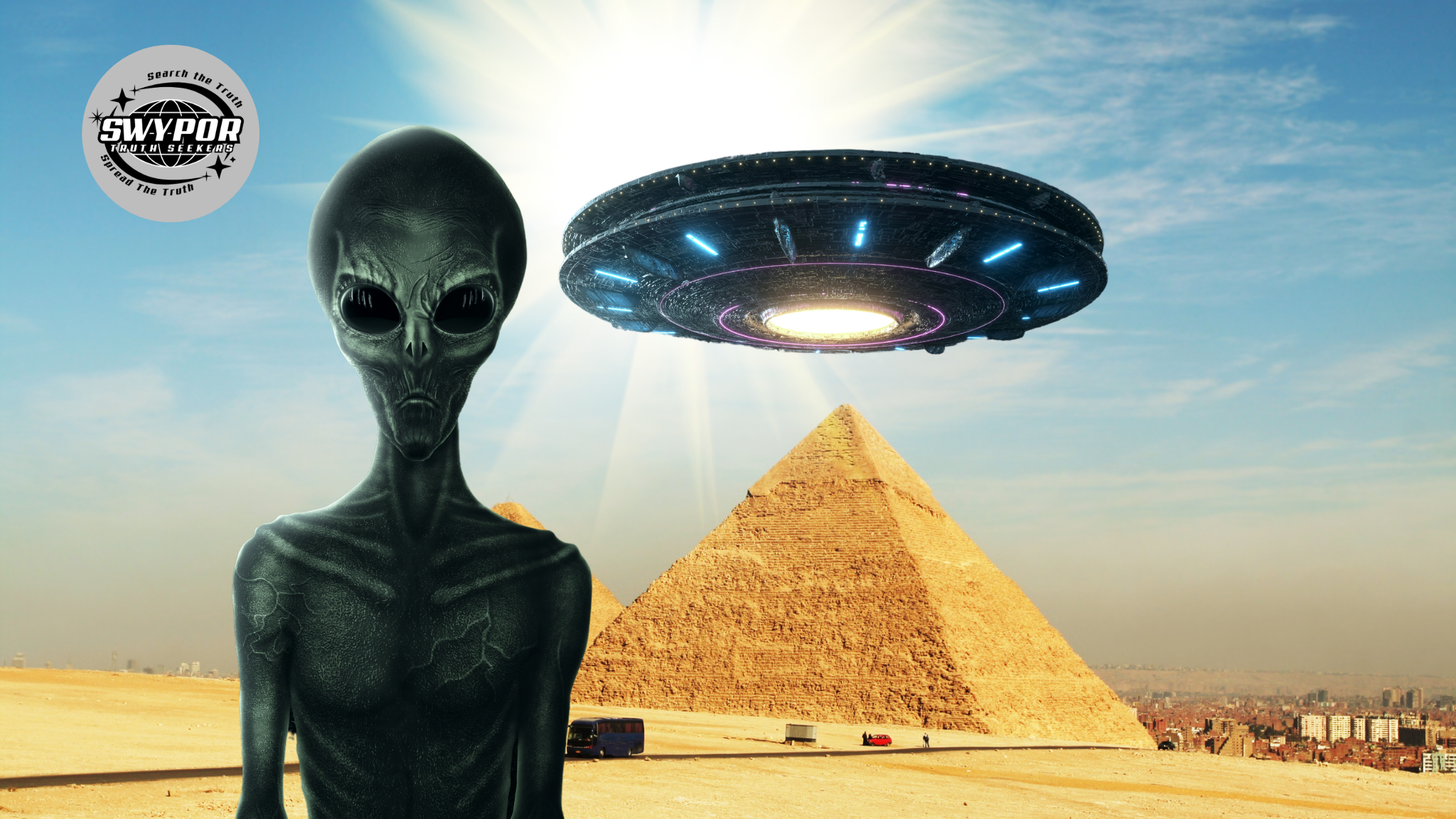
- Aliens Built the Pyramids: A persistent myth is that extraterrestrials were involved in the construction of the pyramids due to the supposed impossibility of ancient Egyptians achieving such feats. However, extensive archaeological evidence shows that the pyramids were built by skilled laborers using techniques well within the capabilities of ancient Egyptian engineering.
- The Great Sphinx is Much Older than the Pyramids: Some theories suggest that the Sphinx is thousands of years older than the pyramids, pointing to water erosion as evidence. Mainstream Egyptology, however, dates the Sphinx to around the same period as the Pyramids of Giza, around 2500 BCE, based on contextual evidence and the work of Egyptian pharaoh Khafre.
- Ancient Egyptians Were Obsessed with Death: This misconception arises from the focus on tombs, mummies, and burial artifacts in popular portrayals. While these aspects are significant, they represent just one part of ancient Egyptian culture, which also celebrated life, nature, and the gods through literature, art, and everyday activities.
- Slaves Built the Pyramids: The image of the pyramids being constructed by thousands of slaves is widely perpetuated. However, evidence suggests that the workers were actually well-fed laborers who lived in nearby temporary cities, often working in shifts. They were skilled workers, not slaves, and were respected for their roles.
- Cleopatra was Egyptian: Cleopatra VII, the last active ruler of the Ptolemaic Kingdom of Egypt, is often depicted as being of Egyptian descent. However, she was of Macedonian Greek origin, a descendant of Ptolemy I Soter, one of Alexander the Great’s generals.
- The Exodus and the Ten Plagues: The biblical story of Moses leading the Israelites out of Egypt is deeply ingrained in popular culture. Despite extensive archaeological efforts, there is no conclusive evidence in Egyptian records to support the occurrence of the Exodus or the Ten Plagues as described in the Bible.
- Mummies Cursed those who Opened their Tombs: Similar to the curse of the pharaohs, there’s a broader myth that mummies themselves brought death and destruction to those who disturbed their rest. Most supposed “victims” of such curses were subject to coincidence, illness, or exaggerated reports.
These myths and misconceptions often arise from sensationalism, misinterpretation of evidence, or the allure of mystery surrounding ancient Egypt. Scholars and archaeologists continue to work towards uncovering the true history of Egypt, using rigorous scientific methods to separate fact from fiction.
Thank you for taking the time to read this post! We truly appreciate your interest and support. If you enjoyed the content, please give it a like, share your thoughts and opinions in the comments, and share this post with your friends on social media. Your engagement helps us grow and create a vibrant community. We also encourage you to join the conversation by writing and sharing your own posts. Together, we can build a dynamic and interactive space for everyone.